Categories
mental health

Skateable Hills

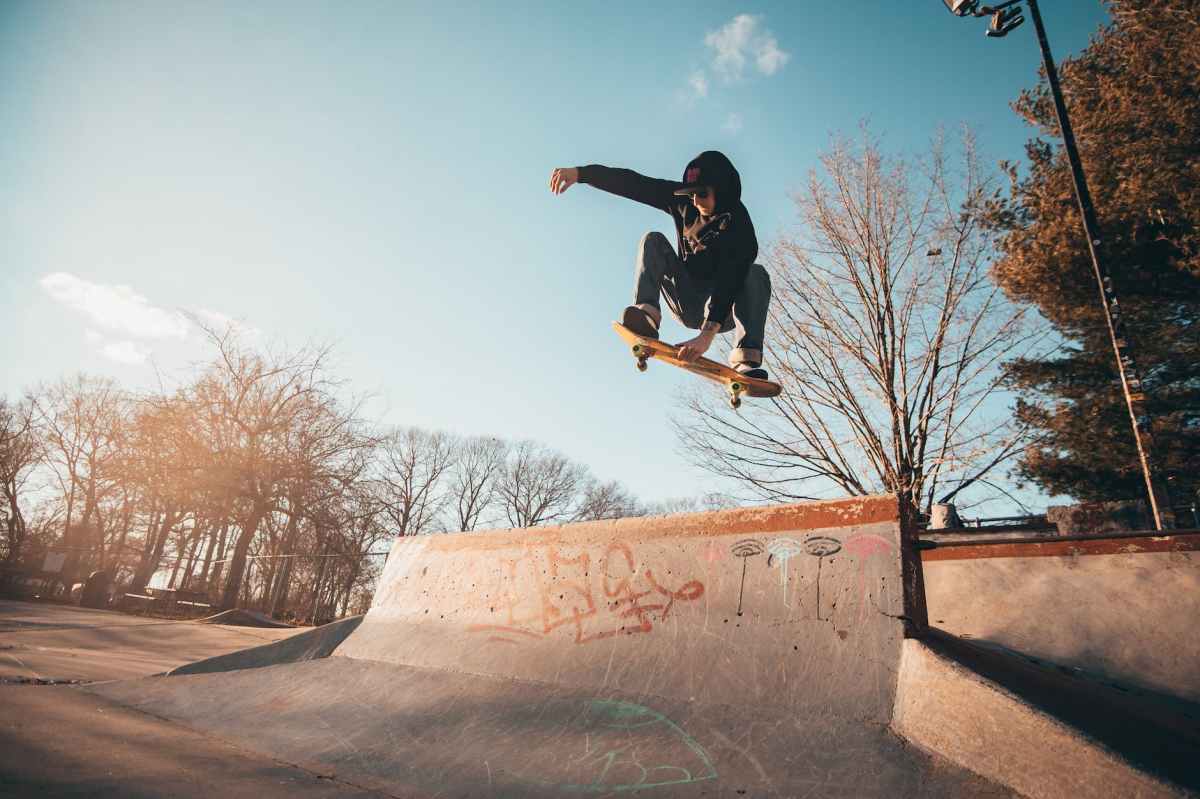
I bet I recognize some of those skateboarders, says my thirty-year-old son, whose Instagram followers see him fly over the hood of a pickup truck, land on his shoulder, then do it again and land all four wheels. We sit with his dad, at Illegal Pete’s on Colfax, warm smothered burritos and Baja tacos in front of us. My oldest child is well today, clear-eyed, and hungry for life.

Above the bar, a TV broadcasts skateboard after skateboard zooming down the hilly streets of San Francisco. They move at impossible speeds and accomplish death-defying tricks–leaping trash cans in narrow alleys, defying gravity on vertical “wall rides” before continuing down a handrail to a smooth landing. One young man scutters his board down a steep, block-long set of three-inch concrete steps. His white shoes vibrate, and his ankles shake all the way down.

I turn away from the flashing colors and lights of the video, worrying, as I often do, about injuries, about the devastation a blow to the head can wreak. I can’t watch scary movies, and that damn video of my son, helmetless, jumping the pickup truck, turns my ribs to ice.

When he was fourteen–already an avid skateboarder–none of us understood the bipolarity fueling his adolescent “behavior problems,” his inability to get up in the morning, his impulsive bursts of spring rebellion. Diagnosed at eighteen, much of the following decade of his life was consumed by paralyzing depressions quickly followed by brief, destructive manias. Only seven years ago, his atypical brain produced one of those spiking electrical storms that can kill. That almost did kill.

All the twists and turns, the jumps and falls in his pursuit of a livable life, a life out of reach for too many people. Today, we pay for our lunch from a full checking account; we wear the skin of privilege, easily forgetting how many ways the world is built to keep people like us comfortable. And here is this young man, so capable, so confident. Able today, able this year, able to do and be so much. 

Jesus, these guys are flying! he says now, as I, too am pulled back into the video.

His dad asks, How are they not getting hit by cars? A moment later, a skater does gets hit by a car, and the three of us flinch in unison. The camera zooms to the injured young man’s face. He sits on a curb, holding a bleeding hand, his face blank with pain.

I look away from the next cascade of young men twisting, jumping, flying.

My charismatic, athletic son passes for a person without disability. He teaches skateboarding to kids in schools, and he teaches behavior skills to young people on the autism spectrum. Nine months into his longest stretch of stable mood since he became a teenager, he can work three six-hour shifts per week, plus teach a few skate lessons. He needs hours of down time every day to play video games or read or nap. He walks over from the carriage house apartment where he lives to our big family kitchen that I compulsively stock with greens and walnuts, with organic kombucha and ripening avocados. He goes to meetings. He goes to therapy. He takes three psych meds–seven pills a day–to keep his mood on reasonably level ground. To keep him alive.

As we gather our lunch refuse, one more run pulls our attention back to the TV. At the bottom of a hill, after an especially fast and skilled descent, a group of skateboarders hug and fist bump, eyes shining.

It’s the love. My son says this about the sport that helped save his life. It’s all about the love.
Categories
Memoir Writing

Road Trip with Nostalgia, A Wedding, and Pestilence

Mile markers slide past the passenger window on a June morning. Colorado. Nebraska. Nebraska some more. A bit more Nebraska. The husband and I unwind memories of the first time we drove to the Indiana Dunes together. We marvel at the year that a full moon rose over central Illinois as three little boys shared the back seat, a big white poodle spread out across their laps. Thirty-plus years of road trips, of picking rest areas and sharing stories. At dusk, the rolling hills of Iowa glow with summer’s deepest greens and warmest yellows.

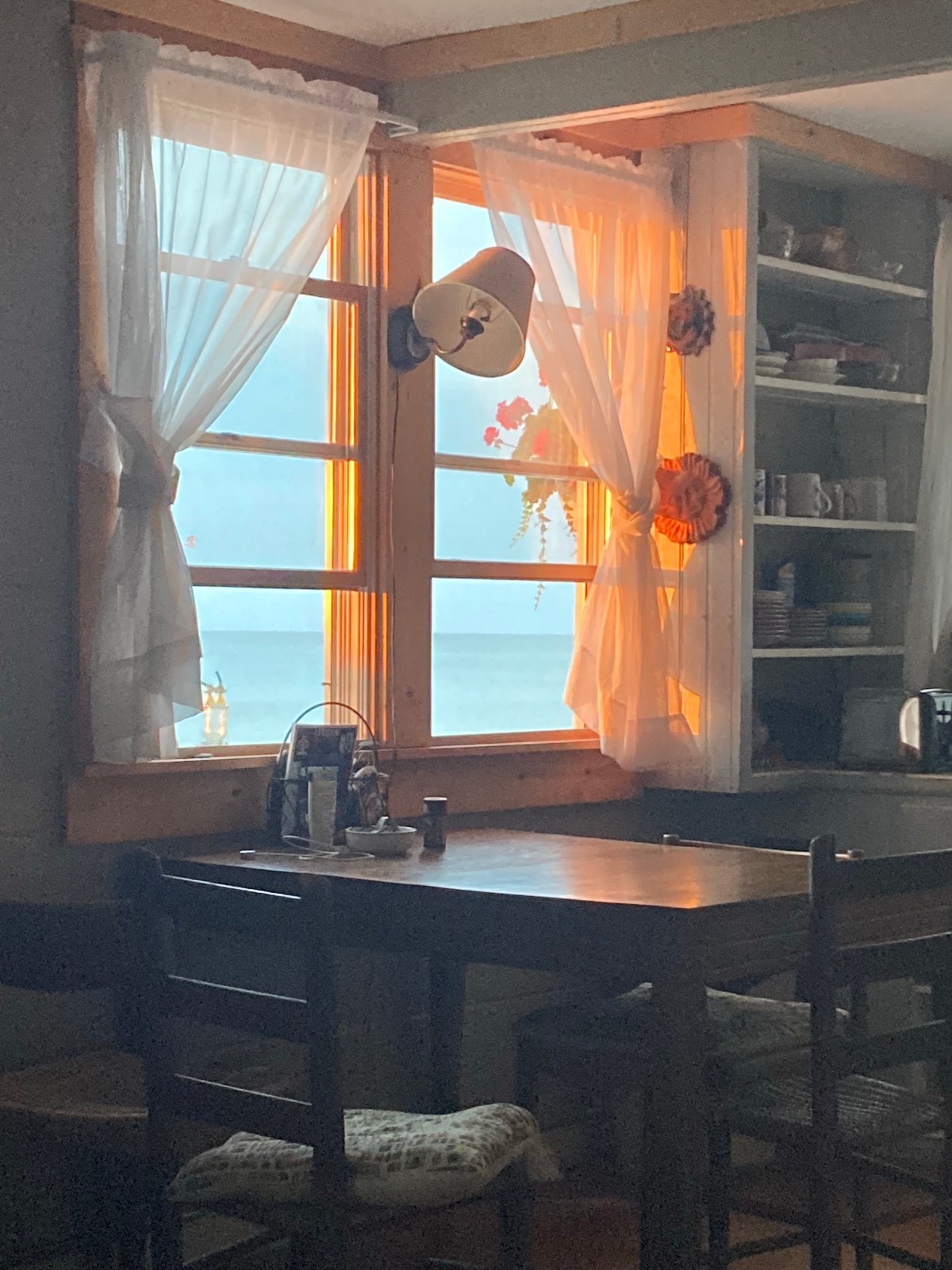
Above Lake Michigan’s white sand beach, we sleep in the small downstairs space still called “Nanny’s apartment” decades after her passing. In the 1940’s, she and my Grandpa fell in love with this spot, set back on a small hill above the lake’s southern shore. My grandparents drove from their home in Norwood Park with my father and his seven sisters. Everyone who could helped carry groceries or building supplies a half mile down the beach. Three generations later, their descendants take turns sharing this memory-soaked refuge. We park our air-conditioned cars only two flights of wooden stairs above the back door. On these three longest days of the year, the water is cold and the weather blistering; we lie awake at night until the lake breeze cools us, shushing us to sleep with the murmur of small waves.

We drive on to Washington DC, where I was born and where my adored niece is getting married. At a picnic by the Anacostia River, Icelanders meet Israelis meet Canadians; Coloradans chat with Iowans and hug Marylanders. A band offers up some Stevie Wonder, some Lizzo, and I want never to stop dancing. As the musicians pack up their instruments, I step briefly into Icelandic with my sister-in-law, with my niece and nephew. Soon, sitting at an ice cream shop, we see the groom walk slowly past, shoulder to shoulder with his father. They are speaking quietly in Hebrew, the love between them a near-palpable glow.

On Sunday, I arrange lilies and mums, baby’s breath and daisies into five big vases for the reception. I wind white peonies together into a bouquet. Reader, will I surprise you when I say the bride is beautiful beyond beautiful? That the Rabbi is wise? That we cry and we laugh and we dance?

I hug sisters and nephews and a newly married woman goodbye. Thanks to my own husband’s pandemic-delayed fellowship in Connecticut, I drive back to Indiana alone. At a quiet hotel in Ohio, I stretch out for a long, unbroken sleep. This, almost certainly, is where bloodthirsty battalions of bedbugs conquer wide swaths of territory: my right shoulder, my belly, the tender tip of my big toe. As often happens, only days later, when the bites begin to itch and swell, will I know that anything happened at all.

I stake out three days to write at a BNB near the Dunes cottage, determined to work out my book’s outline–the confounding, dreaded, avoided outline. I sit and sit and I sit. I drive to the grocery store to pick out mauve and teal and yellow sticky notes. I have lunch. I sit down to color code my outline, then give up. The weight of discouragement behind my eyes is too thick for tears.

On the third day, I sit down to work on my outline in the three columns suggested by my teacher: Icelandic, Mamma, The Body. I stare at the columns until they make sense. I stick scenes under the headings, clustering them into sections. I keep going.

I read outside at dusk and marvel at how many mosquito bites I can get without a single buzzing in my ear. Overnight, I am awakened by itching that will not stop until I get home to Denver, where an urgent care doctor will prescribe turbo-charged steroid cream and nuclear-powered antihistamine.

But first, I hear that my baby cousin is at the Dunes cottage. I sit on the shaded deck as a group of relatives settle in on the beach. “Excuse me,” says a voice from on high. My baby cousin looks down at me through a screened window, her girl face stern as she asks who I am. I would know her anywhere, her confidence and brightness, my father’s bright blue eyes. I tell her who I am and add, “You look just like J!” “That’s because I am her daughter” comes the serious reply. I know, of course, that this is the baby of my baby cousin, but I am still startled by the passage of time. I play in the lake with her little sister, tossing back and forth a plastic pony she has named Sunshine.

Sitting on the sand, I contemplate a line of three red bites on my shin. The “breakfast-lunch-dinner” pattern of bed bug bites gives me a sickening jolt that is immediately squashed by stiff denial. Alone, I drive west, trying not to scratch the clump of welts on my shoulder. Five hours later, passing Des Moines, a strip of hives rises on my arm in threes.

Anxious and anxiouser, I call my cousin, my BnB hostess, a bedbug specialist. Sorry and sorrier, I drive on, refusing to stop in another hotel. I fine-tune my strategy to keep the monsters out of our house and to roast any car-lurkers with the heat of a 100-degree day.

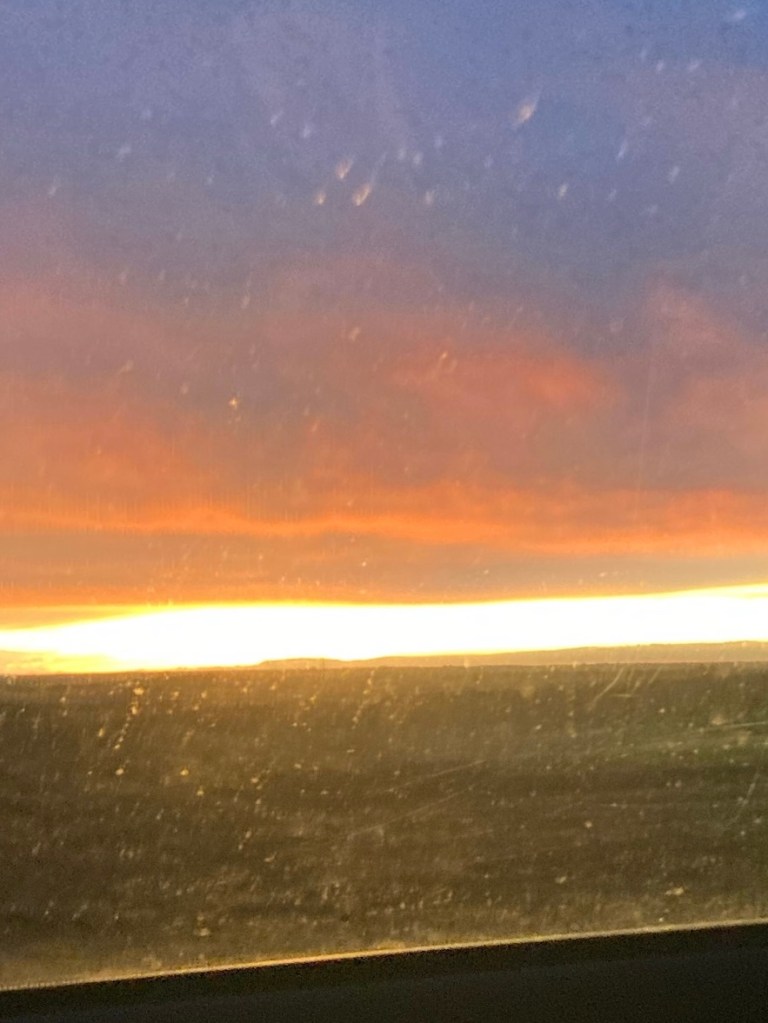
Rain lets up with just an hour more to drive. Suddenly, the burnt orange sun breaks free below a bank of turquoise clouds. My heart calms as I breathe in the richness of this Colorado sky like no other. To the east, a massive double rainbow domes the prairie, pulsing higher and wider as the sun sinks below the horizon. And I am gentled. I am welcomed home.

Categories
Memoir

Shamrock Viking

Thanks so much to the kind folks at Pithead Chapel for including “Shamrock Viking” in this month’s issue: https://pitheadchapel.com/.

Categories
Memoir

Porch Light

In 1982, Aunt Mardi and Uncle George lived about a mile away from us in the small town of Dunedin, Florida. At Sunday pool parties, my mother would step away from the barbecue to watch Mardi and George pose on the diving board. Mardi was tall and curvy, her hair a frizzy halo over her oval face. George was round in the middle, his hair as straight as his stick legs. He gazed at his wife with exaggerated rapture while sunlight glinted off the still water. They clasped each other as if to waltz, looked up at the sky, then tilted head-first into the deep end. We all cheered. They called this splash-up “the lovers leap,” and they surfaced laughing, dark hair dripping into their eyes.

Aunt Mardi smoked Virginia Slims, holding the long cigarette between her fingers while telling me she really should quit. She drank wine or Manhattans with compulsion-free pleasure, and she was on everyone’s side, somehow, never arguing with my parents, never making anyone wrong. In those years of Mom’s relapses and undiagnosed manic-depression, I soaked up her generous mother-love. At fifteen, I began to unravel like a ball of yarn rolling downhill, but Aunt Mardi’s kindness and sanity buffered my fragile psyche.  Her help was practical and steady, a simple hand on my shoulder, a warm and encouraging smile.

For a few weeks of my sophomore year, I hardly slept at all. A panic attack slid me to the floor in math class.  Images of death overwhelmed me if I tried to rest. One night, I used an alligator magnet to post a drawing of a coffin on our beige refrigerator.  My alarmed parents called my Aunt Maralyn, a doctor, who sat on my unmade bed with me, her voice low and soothing. She told me, I work with a young woman I think you would like. She’s a psychiatrist, a doctor who helps people with their feelings, too.

Like a counselor? I asked.

Yes, like a counselor, but also a doctor, like me. I think it might help you to talk to her.

Aunt Mardi drove me to one of my first appointments. She waited for me while I sat on a leather therapy chair and revealed carefully chosen bits of myself to a competent stranger. It was Aunt Mardi who confirmed to the psychiatrist that, yes, my parents sometimes drank too much, that the stories I told about them were probably true. After a few sessions, I was prescribed little pink sleeping pills, each tucked into a clear bubble of plastic. For a little while, my parents gave me one at bedtime, but kept them hidden from me during the day. I soon finished with therapy, but soaked up sanity at Ala-Teen meetings. I learned to meditate. I got a job and counted down the months to high school graduation and freedom.

Meanwhile, Aunt Mardi and Uncle George left a key hidden on the metal shelf above the porch light of their little house on Douglas Avenue. If my mother was having an especially bad night, I got dressed and walked out into the humid Florida night. I turned right onto St. Anne Drive and walked past the rectory, a low, flat building set back from the street. I pulled the night air into my lungs and stomped outrage into the asphalt of the huge church parking lot. How dare she?

On the shortcut past the elementary school, the darkness was near-total. I felt small under the looming branches of live oak. I slowed my pace until I saw the tall palm that marked my turn onto San Mateo Drive. The songs of tree frogs and the pungent scent of swamp water drifted to me from nearby Hammock Park. By the time I turned left onto Douglas Avenue, my anger was spent. Aunt Mardi’s porch light glowed softly above her front door. As I reached up and felt the grooves of the house key under my fingertips, I was steadied. Secured. I set the key on the wooden table inside the door and felt the hush of the house gather around me. I tiptoed through the kitchen into the guest room, then pulled out the sofa bed. Drifting to sleep, I knew that the next sound I heard would be my aunt and uncle sharing quiet coffee talk while the sun warmed their back yard.