Categories
mental health Writing

Helpers

As I swim in a quiet gym pool, sun brightened bubbles form under my fingernails then rise to the surface. I turn my head and inhale, first on the left, then three strokes later, on my right. The bliss of being in water has never left me. Seven months after tripping over rough sidewalk and bashing my forehead and shoulder onto concrete, swimming consistently erases the post-concussion headaches that have plagued me for months. Today, my left shoulder feels like a hunk of canned meat—heavy, impenetrable, shadowy.  Is my swim stroke completely asymmetrical?

The only other person in the pool is a large man, maybe in his thirties, with a pale round belly and a butterfly kick that roils his lane into a froth. At the end of the pool, we both pause to catch our breath.

Hey, I venture, any chance you could spec my left shoulder for me? I can’t tell if my elbow is going up like it’s supposed to or tipping off to the side.

He doesn’t hesitate, smiling through the kind of big beard I see all over town. No problem! Let me get out of the pool so I can see better.

I do a quick half lap, out and back. It looks good, coming up even with the right side. Is it feeling nice and strong?  

What a nice guy!

It feels stiff and weak, but I broke it a while back, so that still happens sometimes. I’m glad my stroke looks okay. Thanks a lot for looking at it—you saved me a swim coaching session!

Oh, I’m a swim coach at a different gym. Happy to help!

You won’t believe this, I tell him with a smile, but I once had my bike brakes go out at a trailhead in a parking lot full of people, and I asked some guy if he would look at them. He said my brakes had been recalled, and I should go into town for a replacement set. Then he asked me how I had known he was a bike mechanic! I guess I’m lucky that way.

The swim coach laughs at my story then barrels on with his tsunami butterfly kicks. As I burble my own way back into my workout, I smile to myself at another memory. Twenty years earlier, when my husband, Brad, was new to mountain biking and had way more leg power than sense, he did a classic “endo” speeding over a berm. He launched over his handlebars and must have added a twist, because he also “face dabbed,” earning a decent cut over his right eyebrow. When I reached him, it was bleeding pretty well, making me wonder if we should hustle to urgent care for a stitch or two. By the time a couple of super fit bikers came along and checked on us, I’d run some clean water over the cut and was thinking a butterfly band aid would probably do the trick. One of the riders came over and took a close look at the cut. She said, You know, it doesn’t look at all bad. If it were me, I’d get it real clean in the shower and bandage it like you said.  After we thanked her for her help, she told us she was an ER nurse.

Lucky, lucky, lucky.

I finish my swim, shower, then meet Brad for the drive home. I tell him all about it, like I tell him all about everything. Knowing how avoidant I’ve been of writing because of my headaches, he softens his voice to an extra-gentle tone and says, This would make a good blog post. I miss your blogs.

Me, too, I say. Me, too.
Categories
Memoir Writing

That Time I Didn’t Have a Concussion

On February 18, I learn that if you have an open head wound, there’s no waiting at the ER. They make sure you’re in a wheelchair and take you right back to a room. Before seven stitches close the gash above my left eye, and before an x-ray confirms my shoulder fracture, a doctor tells me I have a mild concussion. I twist my face into a disdainful smile. What an idiot, I think.

The next day, when I overhear my husband telling a friend that I am concussed, he gets the same ugly smirk. Bah! I think. Why can’t he get his facts straight?

After my fall, I am propped up on pillows on the couch, doing that miserable calculation between pain management and side effects. Sleep is elusive and brief. On day three, I announce to Brad that the grand collie hasn’t been walked for six hours. While he’s out with her, I remember that, in fact, middle son took her not that long ago.

When he comes back, I apologize. I completely forgot Westy took her!  Then comes an ugly moment of recognition, followed by a confession.  Oh my god—I think I had a concussion!

Yeah, I think you did. This man of mine looks at me with such kind patience. He unhooks the collie from her harness and starts dinner.  I get up from the couch and wince, tugging my sling around my elbow.

In the kitchen I ask, Was I daffy that day, when you got home?

Yup. You told the same stories over and over. You’ve been pretty goofy.

Weston, who sat in the ER with me for hours, joins us and adds, Mom, you told me like ten times to go get some lunch. And you were really, really happy to see every single person who came in the room. I mean, even more than your usual personality.

A few days later, a half-moon of pain appears inside my forehead, a pulsing white headache that extends backwards through my skull. I am, once again, simply amazed. On bright days, I wear sunglasses inside. I close my eyes and become curious about the shapes of my headaches, how the half-moon becomes a crescent or sometimes splits into two purple lights. Over zoom, my doctor tells me that concussions need time and rest. She tells me not to go back to my normal activities and to limit screen time. No more one-handed loading of the dishwasher so I can feel at least minimally useful. No more binging Love is Blind on my iPad as the meds smooth down some of my bone pain. And no writing for week after long week.

Categories
mental health Writing

Flowers of Light

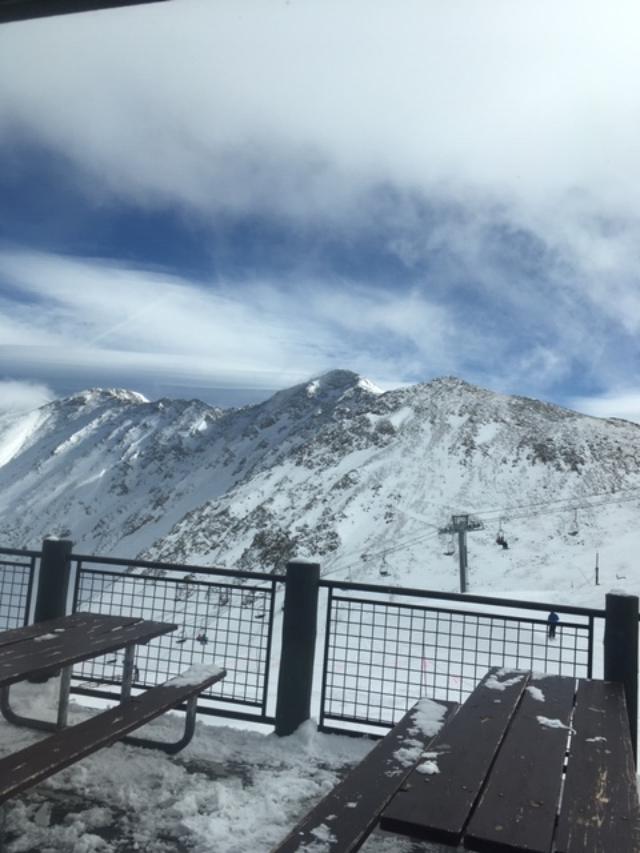
Ten thousand feet on a Friday, and I am happy again. The shadowy November mood flood has finally receded. Along with it, at last, has gone the lingering mistrust of my mind.  

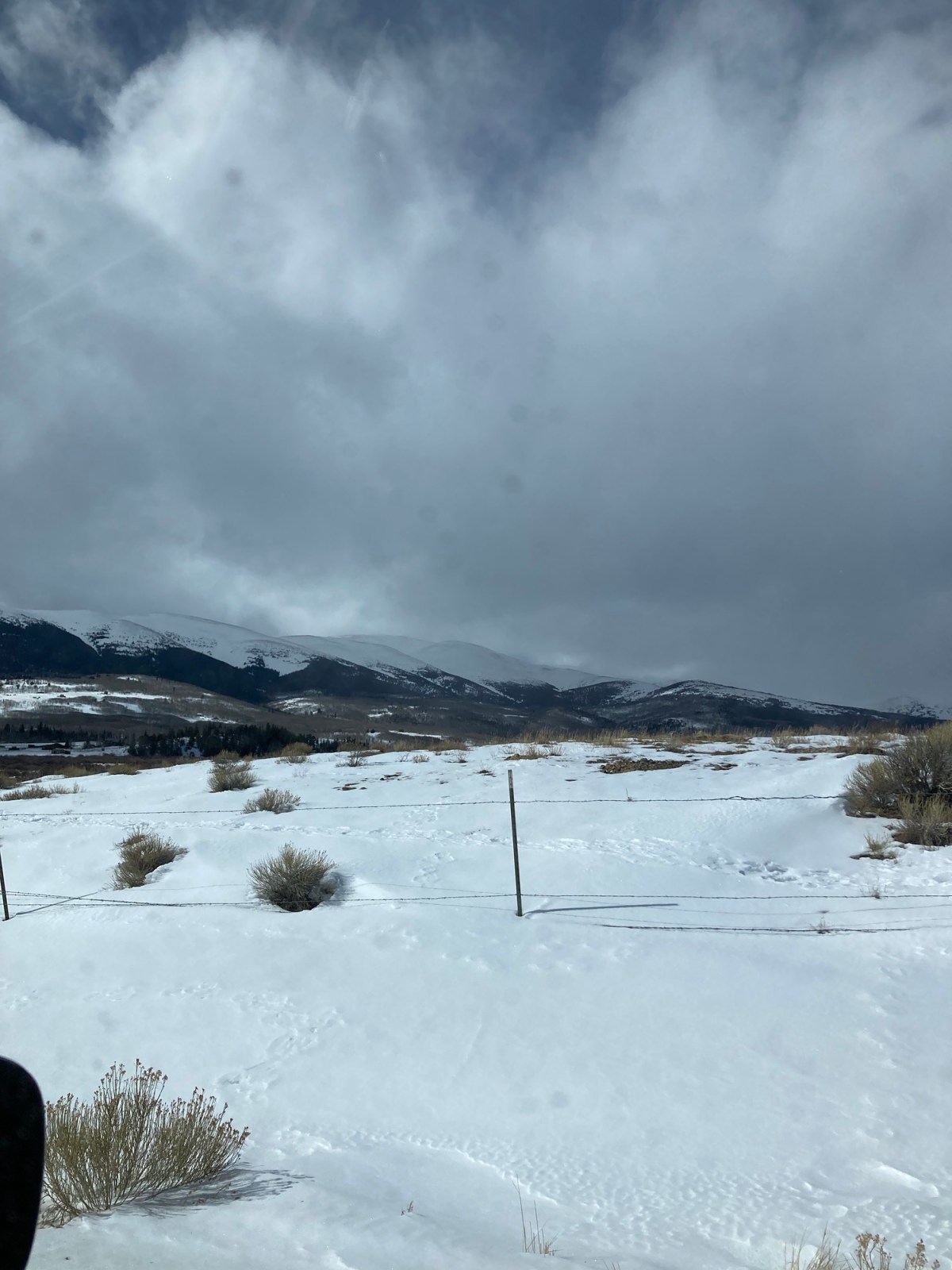
Flowers of light scatter over the snow. Aquamarine and burnt orange glint fire into the winter air.  Weston Pass Road splits this broad field of prism-flowers. My sky-blue skis float over the gathered cold-water specks, cutting paired boat wakes that cast minute waves. In the quiet morning, snow hums a high-pitched “swish.”  My heart drums faster with each push up the hill. Still hesitant to let myself fully reach, to stretch my capacity, I slow a bit and remind myself that undercurrents of grief-fueled sadness won’t take me over today. The season has turned.

I whoosh over last night’s wind-smoothed dusting, then leave the unplowed road to flounder between sets of aspen and over brown tips of sunken grass.  The small slab under me compresses, then sinks with a groan. Are there mice below, whose tunnels have been buried?  Are there fish? 

The more I write, the more grateful I am for the elemental freedom to convey experience, to net up words then plop them down, to embrace imperfection in a moment just like this.

Categories
humor Memoir Writing

That Damn Mustard

Whenever I write about my dad, who died almost ten years ago, at 91, I feel happy. He had a big heart and a brilliant wit. Of course, as my sister likes to say, our folks didn’t read all those fancy parenting books, but even writing about hard times, I appreciate finding my father on the page. He always reminds me to take pleasure in words, in food, and in family.

I want to tell you about the mustard. I wandered outside on a break from the book and looked around for a stone to add to the marker where his ashes are.  How my father’s ashes ended up buried here by the Fairplay cabin, and not in Iceland as he had wished, is not the mustard story. Why I place stones when I go see that spot is also a different story. I will, however, tell you this, loosely related to mustard, which was his favorite condiment. My father loved going to church, and this place felt like church to us. Both of us used to cry when we sang hymns, maybe out of relief. (God does love a sinner, I’ve heard, because we tend to be more interesting people.) Dad also loved old drinking songs: “How Dry I Am” and “In Heaven there is No Beer” were two favorites that he might sing to wind up a night at the campfire.

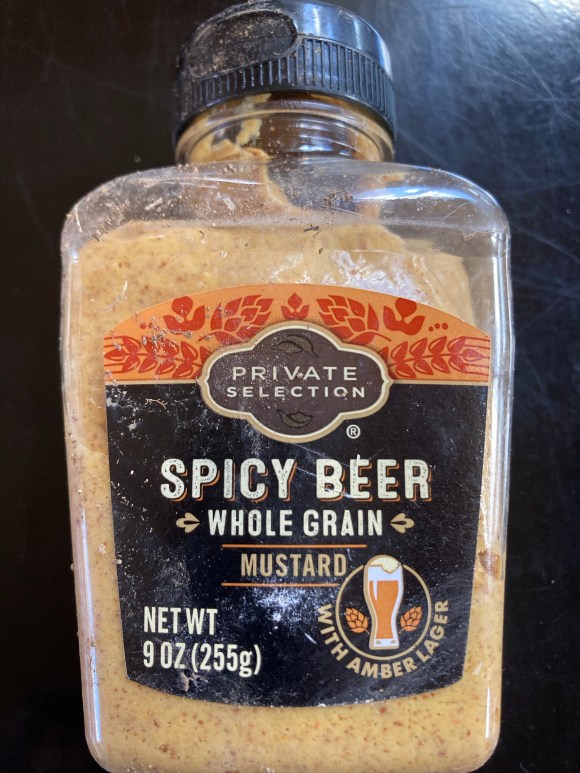
This morning, hunting around for the right stone, I came across a plastic bottle of mustard next to the fire pit. It’s Safeway brand: spicy beer whole grain mustard. Dad loved our neighborhood Safeway, and whenever I go there, I put in the old phone number he gave them twenty years ago so we could get our discount.  It always makes me smile. The Safeway mustard is peppery, like my dad could be. And it’s got lager in it. He preferred Stroh’s, but now and then, he could really enjoy a fancy beer.

Before the cabin got walls and a roof, my parents would visit from Florida and sit outside with my husband and our boys. Dad demonstrated the fine art of making his wife laugh, and soon, my husband took up the habit. This has been one of my dad’s most lasting gifts.

Today I picked up this mustard that one of our sons left out a couple of nights ago. Dad would be glad I didn’t even think of throwing it away. I carried it with me to the little bench by his ashes and his stones and said Hi Dad! Like I always do. And I said I miss you, which I don’t always do.

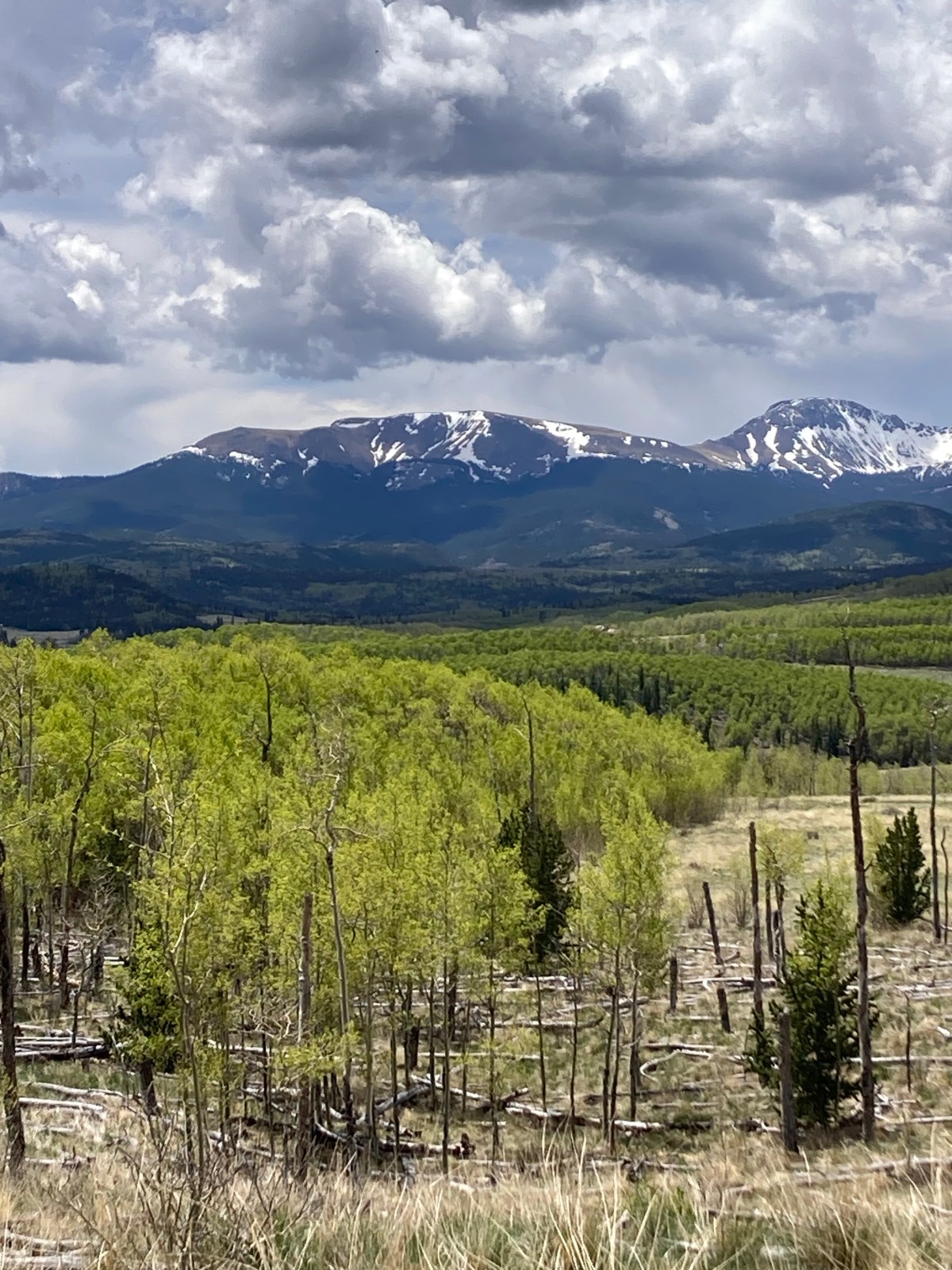
Then out of nowhere—and I mean nowhere, because I’m grateful for his long life and his peaceful death and wherever he is now; this is a man who drank (almost) all the beer he wanted and danced (almost) all the dances he could. He had a good, good life, and a long one. Still, out of nowhere, I said, I wish you were here, I wish you would come back!  And I burst out crying. I don’t usually cry hard anymore. I really have no reason. This morning, though, when I stood there with that mustard in my hand, I was just a little girl wanting to put her head on her daddy’s shoulder one more time. I sat on the bench for a while, and I’m telling you, the meadow was beautiful like I’ve never seen it, the kind of green in the new aspen leaves and in the sprouts of grass that can only happen after a month of rain.

I know there’s nothing special about my grief, how I walk around in middle age without parents and with four sisters instead of five. I know that when I was in my forties, the friends who scooted ahead of me into the beyond, the counseling clients who tried and tried but just couldn’t make it–I know all those funerals and tears were warmup for the privilege of getting older and missing more people. I know Junes can just be like this. And I’m perfectly all right.

Categories
Memoir Writing

Road Trip with Nostalgia, A Wedding, and Pestilence

Mile markers slide past the passenger window on a June morning. Colorado. Nebraska. Nebraska some more. A bit more Nebraska. The husband and I unwind memories of the first time we drove to the Indiana Dunes together. We marvel at the year that a full moon rose over central Illinois as three little boys shared the back seat, a big white poodle spread out across their laps. Thirty-plus years of road trips, of picking rest areas and sharing stories. At dusk, the rolling hills of Iowa glow with summer’s deepest greens and warmest yellows.

Above Lake Michigan’s white sand beach, we sleep in the small downstairs space still called “Nanny’s apartment” decades after her passing. In the 1940’s, she and my Grandpa fell in love with this spot, set back on a small hill above the lake’s southern shore. My grandparents drove from their home in Norwood Park with my father and his seven sisters. Everyone who could helped carry groceries or building supplies a half mile down the beach. Three generations later, their descendants take turns sharing this memory-soaked refuge. We park our air-conditioned cars only two flights of wooden stairs above the back door. On these three longest days of the year, the water is cold and the weather blistering; we lie awake at night until the lake breeze cools us, shushing us to sleep with the murmur of small waves.

We drive on to Washington DC, where I was born and where my adored niece is getting married. At a picnic by the Anacostia River, Icelanders meet Israelis meet Canadians; Coloradans chat with Iowans and hug Marylanders. A band offers up some Stevie Wonder, some Lizzo, and I want never to stop dancing. As the musicians pack up their instruments, I step briefly into Icelandic with my sister-in-law, with my niece and nephew. Soon, sitting at an ice cream shop, we see the groom walk slowly past, shoulder to shoulder with his father. They are speaking quietly in Hebrew, the love between them a near-palpable glow.

On Sunday, I arrange lilies and mums, baby’s breath and daisies into five big vases for the reception. I wind white peonies together into a bouquet. Reader, will I surprise you when I say the bride is beautiful beyond beautiful? That the Rabbi is wise? That we cry and we laugh and we dance?

I hug sisters and nephews and a newly married woman goodbye. Thanks to my own husband’s pandemic-delayed fellowship in Connecticut, I drive back to Indiana alone. At a quiet hotel in Ohio, I stretch out for a long, unbroken sleep. This, almost certainly, is where bloodthirsty battalions of bedbugs conquer wide swaths of territory: my right shoulder, my belly, the tender tip of my big toe. As often happens, only days later, when the bites begin to itch and swell, will I know that anything happened at all.

I stake out three days to write at a BNB near the Dunes cottage, determined to work out my book’s outline–the confounding, dreaded, avoided outline. I sit and sit and I sit. I drive to the grocery store to pick out mauve and teal and yellow sticky notes. I have lunch. I sit down to color code my outline, then give up. The weight of discouragement behind my eyes is too thick for tears.

On the third day, I sit down to work on my outline in the three columns suggested by my teacher: Icelandic, Mamma, The Body. I stare at the columns until they make sense. I stick scenes under the headings, clustering them into sections. I keep going.

I read outside at dusk and marvel at how many mosquito bites I can get without a single buzzing in my ear. Overnight, I am awakened by itching that will not stop until I get home to Denver, where an urgent care doctor will prescribe turbo-charged steroid cream and nuclear-powered antihistamine.

But first, I hear that my baby cousin is at the Dunes cottage. I sit on the shaded deck as a group of relatives settle in on the beach. “Excuse me,” says a voice from on high. My baby cousin looks down at me through a screened window, her girl face stern as she asks who I am. I would know her anywhere, her confidence and brightness, my father’s bright blue eyes. I tell her who I am and add, “You look just like J!” “That’s because I am her daughter” comes the serious reply. I know, of course, that this is the baby of my baby cousin, but I am still startled by the passage of time. I play in the lake with her little sister, tossing back and forth a plastic pony she has named Sunshine.

Sitting on the sand, I contemplate a line of three red bites on my shin. The “breakfast-lunch-dinner” pattern of bed bug bites gives me a sickening jolt that is immediately squashed by stiff denial. Alone, I drive west, trying not to scratch the clump of welts on my shoulder. Five hours later, passing Des Moines, a strip of hives rises on my arm in threes.

Anxious and anxiouser, I call my cousin, my BnB hostess, a bedbug specialist. Sorry and sorrier, I drive on, refusing to stop in another hotel. I fine-tune my strategy to keep the monsters out of our house and to roast any car-lurkers with the heat of a 100-degree day.

Rain lets up with just an hour more to drive. Suddenly, the burnt orange sun breaks free below a bank of turquoise clouds. My heart calms as I breathe in the richness of this Colorado sky like no other. To the east, a massive double rainbow domes the prairie, pulsing higher and wider as the sun sinks below the horizon. And I am gentled. I am welcomed home.

Categories
biking Writing

Publication Number Two!

Down in the Dirt Magazine liked my piece “Nothing Bad Happens” well enough publish it in their May 2020 issue: http://scars.tv/cgi-bin/works_e.pl?/home/users/web/b929/us.scars/perl/text-writings/g8964.txt

Thanks to them, and thanks to all of you for your kindness as I slowly build my writing skills, which I couldn’t do without the blog’s self-imposed, twice monthly deadlines (loosely enforced as they are). More important, the rewarding jolt of attention from you, dear reader, makes my inner four-year-old very happy.

My adult self, meanwhile, has been drawing inspiration from my biking life. Several years ago, I stood in a friend’s driveway as he chatted with his neighbor about the Leadville 100 mountain bike race, a grueling hundred-mile, high altitude suffer fest. Registered for the race, he told us With two little kids and a job, I have no time to really train. But I’m not worried. I have a deep base. He’d raced in Leadville before, and spent years grinding out impressive mileage. I heard from my friend that his neighbor finished the Leadville 100 in only nine hours. For weeks we riffed about the deep base. I could ride that again, no problem. I’ve got a deep base. Writing muscles, like leg muscles, must be worked, then worked again, each repetition contributing to that under-girding structure.

The more I write, the more I realize that my writing base has only begun to be built. I wish it weren’t so. I wish the habit of writing was as ingrained as the pressure of my feet on bike pedals and the instinctive turn of my eye to the top of the rise. It took me years to learn the simple truth that the trick to riding all the way up a steep hill is to not get off the bike. The secret to writing, in the inimitable words of Annie Lamott, is to simply stop not writing. Get and keep your butt in chair. But I’ve been mountain biking—with a few lulls—for over twenty years. And I’ve been writing for only a few.

Well before the pandemic reared its ugly head, I struggled to keep consistent writing hours. And I agonize over finishing pieces.  Self-criticism screams at me to stop, but I am learning to roll my eyes at myself and just keep going. I only learned to stay on my bike on those climbs after I realized how hard it is to get back on it, to re-gain purchase on a gravelly incline is more work than slogging slowly along. I made a commitment to write because the satisfaction of making something beautiful has no equal.

I’ll have my deep base as a writer, eventually. The only way to fail at this is to stop and not start again. I may not be the most ambitious or self-disciplined person in the world, but I don’t know anyone more stubborn. My impatience and dis-tractability mask a mean resolve. I’ll keep pedaling. I’ll blog imperfectly, submit relentlessly, and take class after class. Every hour in the chair will be another mite of progress building that elusive base.

Downhill is differently wonderful. Last summer, near Keystone.

Categories
Skiing Writing

Refuge

Inciting Email

After being cooped up too long with a cold, looking out at a brown Denver January, I drank coffee and quickly skimmed my email. The day was set aside for writing, to get one revision closer to finishing a stalled essay I’d started two years earlier. My brown backpack leaned heavily against the back door as I scanned my messages. Joy! A powder alert from Arapahoe Basin ski area! My favorite playground had gotten six inches of snow overnight, and ten inches in the prior twenty-four hours. I threw my skis into the car and tucked a small notebook into my pocked. It would be a different kind of writing day than I had planned.

I drove west on 1-70 and an hour later crested Loveland Pass, where blue sky outlined the majestic ridges of the Continental Divide. In the hundreds of times I’ve seen that 360-degree panorama, it never looks the same. With every fresh look, it stalls my anxious thoughts, deepening my breath from chest to belly.

Two hours after leaving the house, I was on the two-seat Pallavacini lift. Below me, expertly curled powder tracks on steep rocky terrain; above me, shafts of sunlight on sparkling evergreen boughs. I skimmed along the aptly named Cornice run with its views of the Ten Mile Range, then made my way to the Loafer trail. Powder flowed over the top of my ski boots as I glided through the widely spaced tree trunks along its flank. I stopped and angled my skis against the slope to look uphill, where a dark band of boulders offered a bounty of snow back up to the open sky.

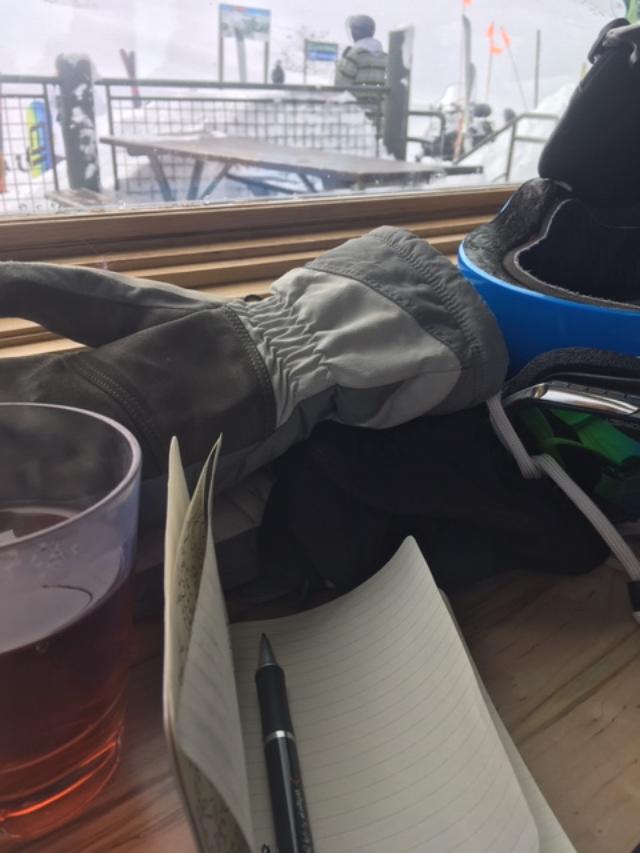
Heavy with a story I yearned to tell well, I soon ascended the Beavers lift and made my way to a tiny restaurant named Il Refugio, a sanctuary at 12,000 feet above sea level. Resting my tired legs, I drank tea slowly, and started to write—again–about that time in my life when I hovered between the wisdom of innocence and the scarring messages of a shame-based culture.

As I wrote, Frank Sinatra crooned out of a hidden speaker, You make me feel so young! You make me feel there are songs to be sung. I looked out at the view and smiled at the sleight of hand that is time, the healing refuge that is beauty.

Categories
Memoir Writing

Katzel and Kinnell

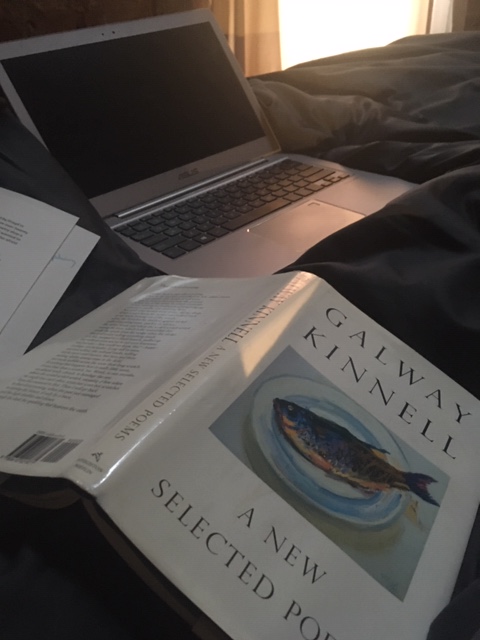
Galway Kinnell’s slim poetry volume, When One has Lived a Long Time Alone was Printed by Knopf in 1990. Tracy L. Katzel—or someone else—tossed her copy in the dumpster behind my house over twenty years ago. Her signature slopes across the inside cover in faded blue ink. I found my first book of Kinnell’s poetry atop a pile of trash at a time in my life when I was a stay at home mom who didn’t know what else I wanted to do. I knew how privileged I was to have the option of delaying finding a paying job, but I was also afraid of claiming a more defined life of my own. Overwhelmed, I was lost in the tedium and the transcendence of raising three boys.

I soon memorized a poem by Kinnell titled “Prayer”: Whatever happens. Whatever/what is is is what/I want. Only that. But that. I journaled and read Kinnell in the bathroom. I went to therapy and scraped dried playdough off the cracked linoleum of the kitchen floor. Wait, Kinnell writes. You’re tired, we’re all tired, but no one is tired enough, and the need for new love is faithfulness to the old. I didn’t know what I was waiting for, what I loved besides my family life.

I worked part-time for a temp agency, then for a non-profit. I thought about divinity school, but instead chose a graduate program in counseling.

Jotted inside the back cover of my dumpster-found poetry book is a phone number I called to ask for an internship at a substance abuse agency. I was turned down, but called again a few months later and found someone willing to supervise me. That internship became a paid job. I’d gone from wondering what I wanted to stalking goal after goal—a degree, credentials, experience. I savored time with my clients, unwinding their stories together, listening as they engaged with their own heart-held wisdom. Within a few years, I was hired full-time at the university counseling center where I had trained. It was my dream job, with an incredible team. So much waiting, fulfilled.

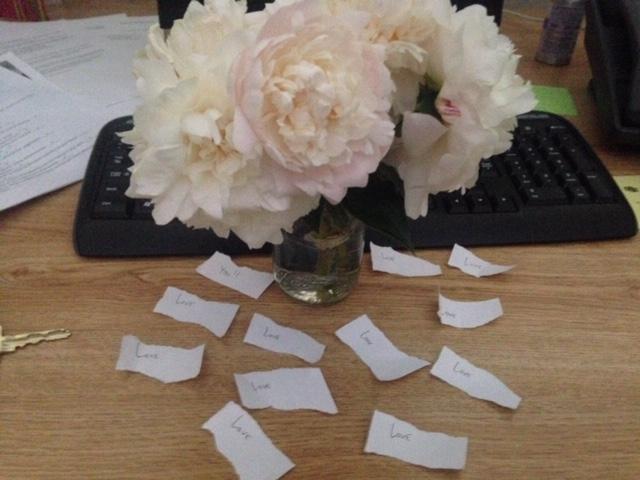
Returning to work from a funeral to find flowers and love on my office desk.

And then. Then I learned in a different way that dreams come true and change shape and give way to other dreams. Almost five years ago, I stood by my desk with my cell phone pressed against my ear and my pulse racing—another family health crisis, out of the blue. At the same moment, a colleague appeared in the doorway, alerting me that it was time to help our new batch of counseling trainees with role plays. From the middle of my forehead down through my torso, I felt pulled apart. One arm reached toward my office door and the other kept the tearful voice of my loved one pressed to my ear. In that moment, I knew I was leaving that job. At 49, I resigned my position, and began the long round of goodbyes with clients.  

I had no plans to write, just a commitment to a more balanced and peaceful life. I savored open days of reading, of geriatric dog care and of waiting for my youngest, a high school senior, to walk in the door. One of my son’s teachers asked me, So, you’re just a housewife now?

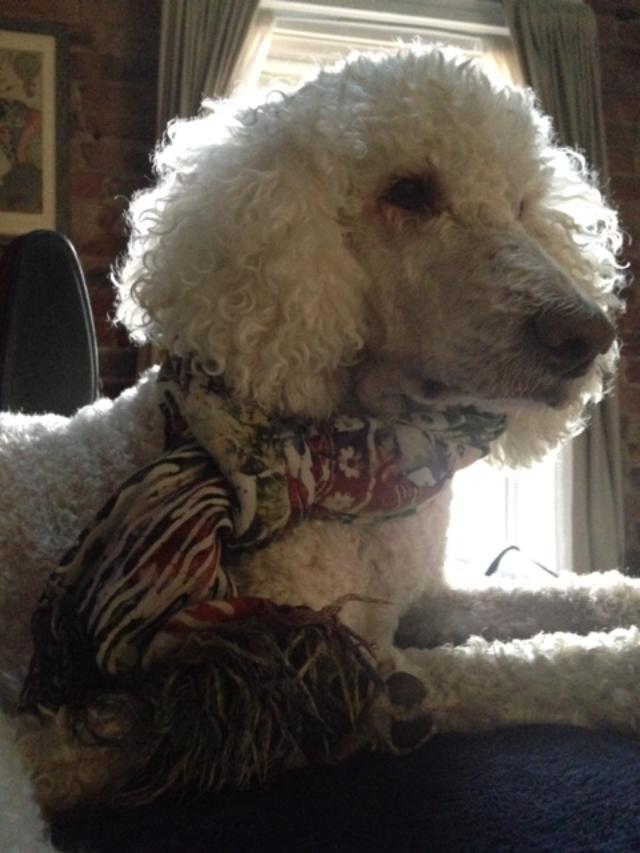
Geriatric poodle of old.

I bought a used copy of Kate Chopin’s The Awakening at the Tattered Cover book store. I’d last read it as an undergraduate and had never forgotten the term “mother-woman,” Chopin’s phrase describing women who offer not just their lives, but their very selves to their children. Caught up in the story of Edna Pontellier coming to her senses, I turned a page and saw a speck of black between the pages, a hard crescent of sunflower seed husk. I smiled at the startling artifact of another reader’s concentration and pleasure.

Kinnell woke me to poetry when I was a mothering woman (if not the self-sacrificing “mother-woman” Chopin disparages). But the desire to write came to me slowly after I left the formal work world. It was consistently fed by those years of reading Galway Kinnell. He died in 2014. A few years later, a hefty tome of his complete works arrived at my door–a gift from a writer friend whom I had told about my dumpster-found treasure. As I wend my way through Kinnell’s body of work, my love for the healing power of words continues to grow.

Whatever what is is, is what I want. Thank you for that prayer, Galway Kinnell. And thank you Tracy L. Katzel, wherever you are.

Categories
Writing

May Stillness

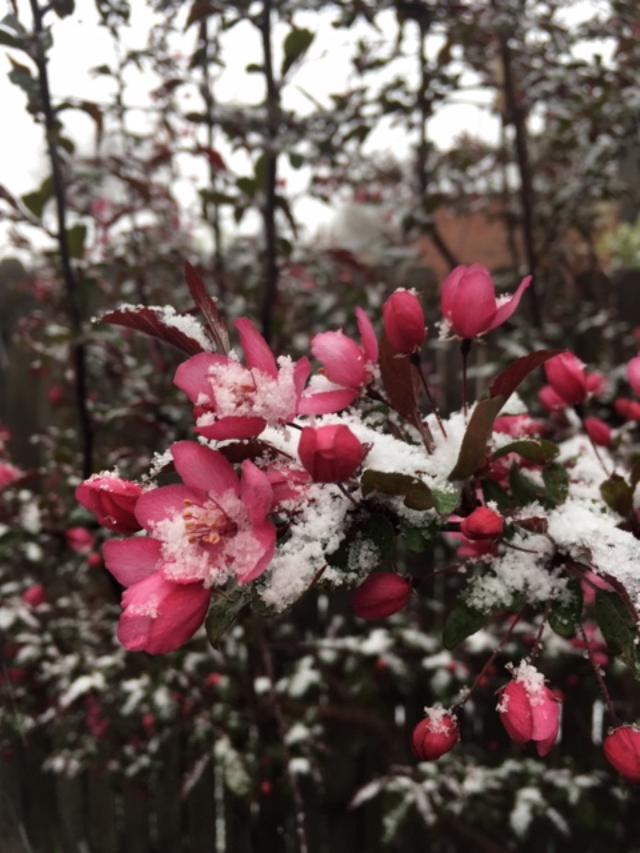
It’s a three-season week in Denver—technically spring but with a recent day close to 80 degrees and snow in the forecast for tomorrow. Above my back-yard fence, recently unfurled aspen leaves touch each other in surprise, too soft to make a sound as the breeze floats their fresh green in slow cirlces. The fountain tinkles water into the bird bath, and a bee buzzes past—a cliché of this season I can’t resist. The goddess Nyx, regal in her shimmering black coat, steps dainty paws onto the mulch behind the blooming crab-apple. She eats a blade of grass then retreats to the shade of the house.

The sun over my left shoulder tosses shadows from my damp curls onto my notebook paper. If I look inside the dark loops scattered across the page, rather than at them, I see moon shapes and slices of pie. I tilt my head, and bright oblong footballs give way to a constellation of marbles, light circles planets plopped onto a newly discovered cosmos. Half a block away, a chainsaw jets raw noise into the stillness, and suddenly the magical universe of miniature shapes becomes just shadows on paper.

Dogs bark next door. My hand moves over the page, determined to find dreamy stillness again.

nyx

The hundred-year-old maple across 24th Avenue has only the faintest green on its twig tips. With age comes caution. The mass of its old trunk holds as much wood as five of these quaking aspens, with their heart shaped leaves. The sun heats my arms into beaches and sandbars. On goes the chainsaw, then off again. Vroom.  Quiet. VRROOM. Into one lull drops the click of a fence latch as another neighbor steps into her yard. A mourning dove coos, supplicant and charming.

The more I write, the more I appreciate the variety of stillness and interruption in all of my favorite places. Peaceful mountain meadows erupt into thunder claps, or into the  rattle of disturbed grasshoppers. The loud stare of a moose stops quiet thought faster than any city siren. She might as well be yelling as your eyes meet on the muddy road: I will bash you. Just give me an excuse.

City quiet, though, is especially rare, an almost inner hush as traffic sounds and background rumbles miraculously cease. The multitude of neighborhood children all sigh into contemplation at once, daydreaming in unison. An hour west, the mobbed spring ski hill also silences unexpectedly. As the crowd swishes down a popular run and the chairlift creaks overhead, I take one short turn toward that pair of pines, and a celestial mute button silences everything but pure light, inside and out. In high volume motion closer to home, as I cycle next to a tumbling creek, perfect silence descends, startling as the cry of a blue jay in this sunny back yard.

A squirrel clacks and squawks at me from the top of the magnolia. Its tail twitching over its head, it spends its outrage then offers a friendlier noise from low in its rodent throat, its contrite little heart telling a story all its own. The chatter of the world meets my determination to making something in stillness–despite or in harmony with this creative symphony of interruption.

Will I learn to listen to the noise and the quiet? I crave motion and distraction as much quiet contemplation. I fall in love with the messy world all over again in the spring, my attention leap-frogging to the next season. It’s easy to be infatuated with summer when it’s not here yet, roasting both city and forest. It’s easy to be happy now, as a white butterfly slips through the holly-spikes of the mahonia bush laden with blooms. I marvel at the tender clematis vine threading itself into the air above the fecund earth. Yesterday’s heat has singed the late tulip petals and sent the hyacinth into retreat, but I’m in love, falling into spring with all of the irrational anti-gravity of romantic bliss.

A baby cries across the fence, his first warm season begun. In my house, the husband clatters a baking sheet into a drawer, jarring yet more sound to me through the open window. Voices take up conversation in the front yard. I crank open the green umbrella for shade, but keep the right half of my body in the white-hot light.

Categories
Writing

Spending it All

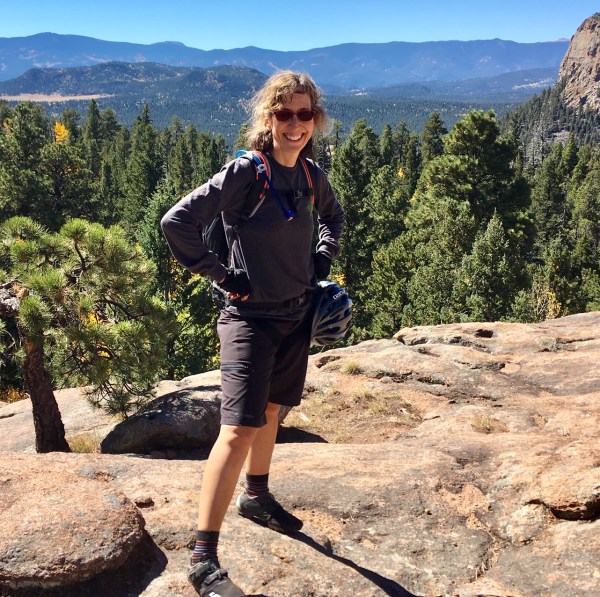
Down Elk Creek Road from the Buck Snort Saloon and a few miles outside Pine, Colorado, the North Fork of the South Platte River winds its way toward a popular mountain biking area known as Buff Creek. (What fun hog has time to say Buffalo when they can say Buff, after all?) This recreation mecca offers over fifty miles of flowing trails that roll through historic burn areas and offer views of the Continental Divide, or that meander in lush creek-fed forests. The Baldy Trail scoops riders over granite humps and tours them under the hat-shaped dome named Little Scraggy.  For me, the place is a reminder of how my riding life overlaps the writing life.

On a recent mBuff creek in backgroudorning, I stood in the Buff Creek parking lot with a group of very fit mountain bikers–mostly women and mostly racers. My friend Mary—gregarious, blonde, and seriously strong–made introductions. This is Jenny-Lynn. She is an amazing writer, she said. Even when spoken clearly, rider and writer sound almost identical, so I quickly clarified that my kind friend was talking about writing, and that, as a rider, I would do my best to not slow down the group. Seriously, don’t wait for me, I said. I’ll be fine.

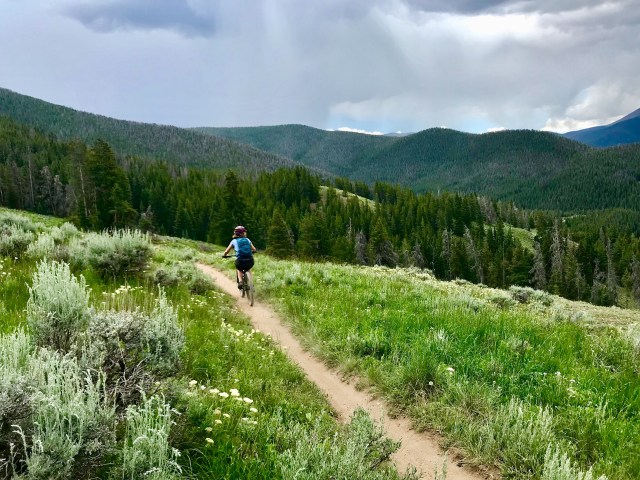
As I chugged behind them all up the Nice Kitty trail, four miles of climbing through switchbacks and over small rocks, I felt an old temptation to conserve my energy, to hold back my breath and power. I answered it out loud: Spend it, Jenny-Lynn, spend it!  I’d read an Annie Dillard comment some time ago that also fits the bike riding life: “One of the things I know about writing is this: spend it all, shoot it, play it, lose it, all, right away, every time. Do not hoard what seems good for a later place in the book or for another book; give it, give it all, give it now.” She goes on to say, “These things fill from behind, from beneath, like well water.” Athletic and creative efforts share this trait of filling from below, I remembered, as I caught sight of Mary at the top of the hill. She’d had enough time to adjust a setting on her bike and have a leisurely snack while the group waited for me to arrive, red-faced and sweaty.

I have fought a temptation to hoard my stories, to save the most compelling or difficult ones until later. On a bike, I hear the same fearful voice advising me to hold back, to save my legs for another section or for another day. But strength and suppleness do fill from below—we need to empty ourselves over and over, to spend the spins of the wheel, to tell the stories as best we can right now, every all-out effort making us more generous, freer spenders.

Don’t save it, I remind myself, go, go, go. Pursue the conversation with the novelist, brave the anxiety of the workshop class, schedule a coaching session even though—or precisely because—the story you are grappling with is bringing up spend-able tears.

I’ll squander copious gratitude now on my “Getting it Done” pomodoro method teacher, Mark Springer and his Fiction Unbound portal into the world of speculative fiction.  And joyful appreciation to my neighbor and bike-repair consultant, Josh Mattison, who gathers the voices of Colorado’s creative community on his Denver Orbit podcast and always has a kind word. Always. Congratulations galore to Joy Roulier Sawyer, compassionate teacher and beautiful poet, for her recent Pushcart Prize nomination. Check out her new book, Lifeguards. Kudos as well to  Dreamers Magazine (the kind Canadians who published my  essay, I Don’t Speak Icelandic) for their recent inclusion in Reedsy’s list of the best magazines of 2018.

Sweet trail and rewarding narrative to one and all!